Table of contents
In today’s interconnected marketplace, understanding who is really behind a business is more than just a regulatory formality—it’s a foundation for trust. Legal Entity Identifiers (LEIs) serve as a global standard for identifying legal entities involved in financial transactions, enhancing clarity and reliability. Unlock how these unique codes are transforming business transparency and why they are becoming indispensable for organizations across the globe.
Understanding legal entity identifiers
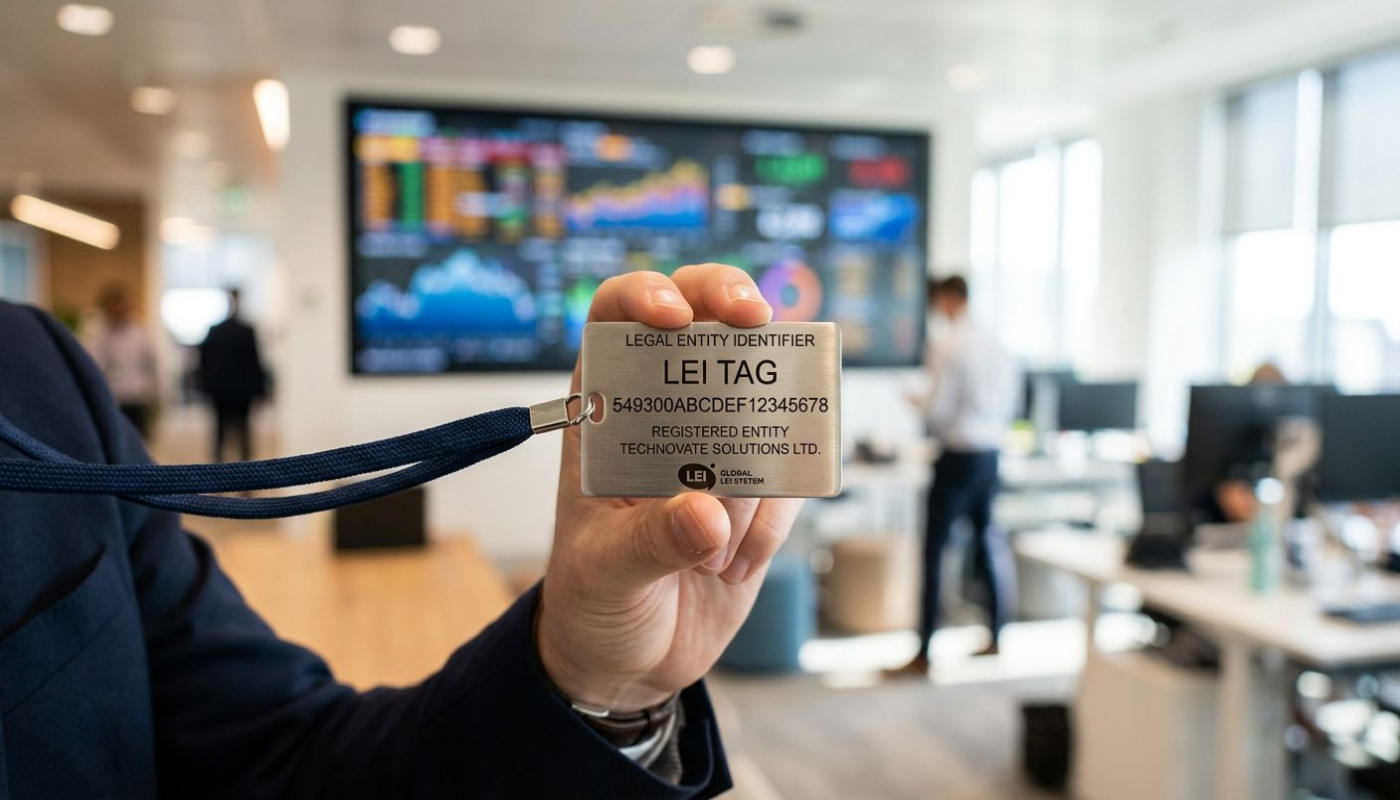
A Legal Entity Identifier (LEI) is a unique code assigned to distinct legal entities participating in financial transactions, facilitating reliable entity verification across markets and jurisdictions. This global standard supports business transparency by ensuring that every organization involved in financial dealings can be easily and accurately identified, regardless of location. The LEI is made up of a 20-character alphanumeric string based on ISO 17442, allowing regulatory authorities, financial institutions, and market participants to trace transactions to the exact legal entity involved, thereby mitigating risks related to fraud, errors, and money laundering.
The growing adoption of the legal entity identifier stems from its worldwide recognition as a foundational tool for financial stability and integrity. Many jurisdictions now mandate its use in reporting and regulatory compliance, making it a standard requirement for entities engaging in cross-border and high-value financial transactions. This implementation streamlines entity verification processes, reduces duplication of records, and enhances transparency in global markets, ultimately contributing to safer and more efficient financial systems. As a result, the LEI system empowers stakeholders to conduct business with greater confidence and clarity, reinforcing its global significance in promoting trust and accountability.
Enhancing business transparency globally
Legal entity identifiers play a pivotal role in promoting transparency within international business environments. By assigning unique, standardized codes to organizations, these systems make it easier to track corporate structures and relationships across borders. Regulatory initiatives like the Global Legal Entity Identifier System (GLEIS), established under the guidance of the Financial Stability Board, exemplify how financial authorities worldwide are prioritizing transparency. These identifiers aid cross-border operations by providing accurate information about parties involved in complex transactions, enabling firms and regulators to assess risk and counteract financial crimes such as money laundering and fraud. When discussing corporate transparency, the head of a global financial regulatory body would highlight that using legal entity identifiers ensures that the origins and connections between businesses are traceable and auditable, which fosters trust in the international marketplace and supports the integrity of the global financial system.
Reducing fraud and financial crime
The integration of legal entity identifiers into financial systems plays a pivotal role in strengthening fraud prevention and combating financial crime. By assigning a unique code to each organization involved in financial transactions, legal entity identifiers enhance traceability throughout the global marketplace. This traceability ensures that every step of a transaction is linked to a verified entity, making it far more challenging for illicit actors to hide behind layers of anonymity. In the fight against anti-money laundering (AML), legal entity identifiers support the accurate identification of counterparties, allowing for real-time risk assessment and improved monitoring of suspicious activities. Accountability is significantly heightened, as regulators and financial institutions gain reliable data that connects transactional activity directly to the responsible legal entity. As a result, the widespread adoption of legal entity identifiers serves as a robust deterrent to fraudulent schemes and helps protect the integrity of the financial ecosystem.
Simplifying due diligence processes
Legal Entity Identifiers (LEIs) play a transformative role in refining due diligence for businesses, financial institutions, and regulatory bodies. By assigning a unique code to every entity engaged in financial transactions, the legal entity identifier system enhances the clarity and reliability of entity data. This systematic approach allows organizations to efficiently verify the authenticity of counterparties, which is particularly valuable in the context of know your customer (KYC) procedures. The transparency provided by LEIs significantly reduces the time and resources required for risk assessment and ongoing monitoring, making streamlined processes attainable for global operations.
Due diligence is an ongoing obligation in today's interconnected markets, where establishing trustworthy business relationships demands swift access to verifiable information. The use of a legal entity identifier simplifies the task of gathering and confirming critical details about partners, suppliers, and clients, while simultaneously reducing manual intervention and human error. Financial institutions, in particular, benefit from automated workflows and enhanced risk management, as the LEI database contains up-to-date and globally recognized data, supporting quick decision-making and effective compliance checks.
Regulatory authorities also gain from the adoption of legal entity identifiers, as it enables seamless information sharing and audit trails across borders. This interconnectedness facilitates comprehensive oversight, aids in detecting potential illicit activity, and strengthens the global financial system's resilience. By standardizing entity identification, LEIs bridge the gap between international regulatory frameworks, fostering cooperation and simplifying compliance for multinational organizations. As a compliance director, leveraging LEIs is a practical step toward harmonizing internal controls with external regulatory expectations.
For enterprises looking to take advantage of streamlined processes and improved risk management, obtaining an LEI is a strategic move. The process is straightforward and ensures that your organization is recognized and trusted in the global marketplace. In case you want to know more about LEI, visit their website for comprehensive guidance on registration and renewal.
The future of legal entity identifiers
The future of LEI is closely intertwined with the ongoing digital transformation reshaping global commerce. As financial markets, supply chains, and cross-border transactions increasingly rely on digital identity frameworks, the legal entity identifier stands poised to become the universal passport for institutional verification. Standard-setting organizations, regulators, and technology providers are investing in integrating LEI systems with emerging technologies such as blockchain, artificial intelligence, and advanced analytics, further enabling real-time data sharing and risk assessment. This digital transformation amplifies the value of the legal entity identifier in automating compliance processes, combating financial crime, and supporting trusted digital onboarding for new market entrants.
Regulatory evolution is driving broader adoption of LEIs beyond traditional banking and securities sectors, extending into insurance, real estate, and even non-financial entities engaged in global commerce. Policymakers across jurisdictions are recognizing the LEI's potential in harmonizing regulatory reporting, facilitating anti-money laundering (AML), and ensuring systemic resilience. By embedding LEIs into digital identity solutions and transaction protocols, the global ecosystem can achieve higher levels of transparency, interoperability, and operational efficiency. As the future of LEI unfolds, its expanding role will not only streamline regulatory oversight but also foster trust and innovation across interconnected markets worldwide.
Similar articles